.svg)
Key Takeaways
- 1📊 England's first Test win in Australia in 15 years ends 18-match winless streak
- 2🏆 36 wickets fell in six sessions on MCG pitch with 10mm grass—highest chaos since 1932
- 3💡 Stokes' leadership kept fractured squad together through mounting criticism and adversity
- 4🔮 Final Sydney Test now becomes pride-building opportunity on traditional pitch conditions
- 5💬 'Couldn't be prouder of the way we held firm' - Stokes celebrates against the odds
"England captain praises fans for sticking with team through thick and thin, as they seal four-wicket win"
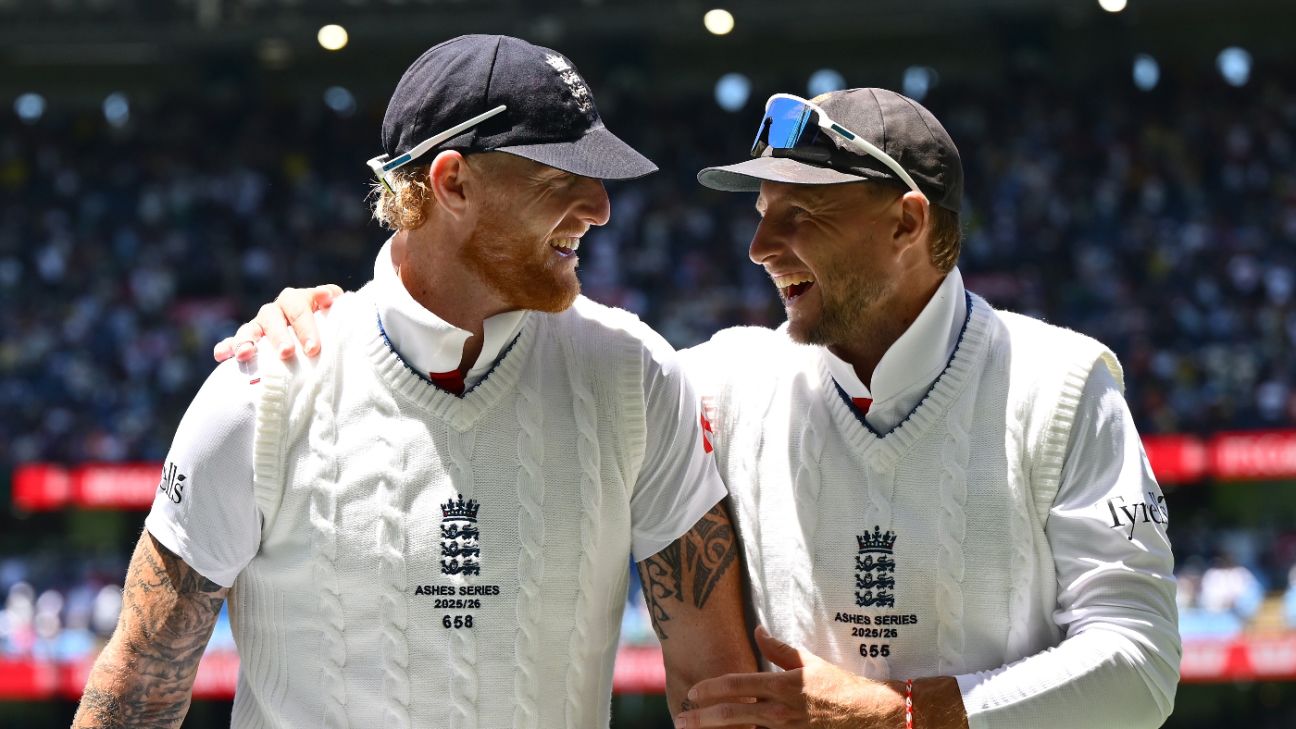
Ben Stokes has finally broken England's 15-year curse on Australian soil, leading his team to a four-wicket victory at the MCG in a chaotic two-day Test that defied conventional cricket logic. The England captain acknowledged the historic nature of the win while tempering celebrations, admitting the circumstances were far from ideal on a pitch that heavily favored bowlers and with the Ashes already surrendered after three consecutive defeats in the opening 11 days. For Stokes and predecessor Joe Root, both survivors of the devastating 5-0 whitewash in 2013-14, this victory represents vindication after enduring a 16-defeat, two-draw drought down under that had haunted their careers.
Stokes and Root arrived in Australia as battle-hardened veterans of previous Ashes humiliations, having been part of the 2013-14 squad that suffered a historic 5-0 whitewash after winning three consecutive series at home. That catastrophic tour initiated a run of futility spanning over a decade, with England managing just two draws in 18 matches on Australian soil. The 2024-25 campaign appeared destined to follow the same trajectory when Australia secured the series with three straight victories, but England's resilience in Melbourne proved there was still fight left in this touring party despite mounting criticism over preparation, attitude, and off-field conduct.
A Surface That Defied Cricket Convention
The MCG pitch became the story itself, with curator Matt Page's decision to leave 10mm of grass creating unprecedented chaos that saw 36 wickets tumble in just six sessions. Stokes and Steve Smith both acknowledged the surface "did more than expected," with no individual batter reaching 50 across both innings—the first time this had occurred in an Australian Test since 1932. The highest score came from Travis Head's 46, highlighting the extreme difficulty batters faced against relentless seam movement. England's four-wicket margin of victory masked the extraordinary nature of a contest where traditional Test cricket appeared suspended, replaced by a bowler's carnival that generated both record crowds and record losses for Cricket Australia.
Vindication Amid Controversy
The victory carries profound implications for England's tour narrative and Stokes' captaincy credentials, transforming what threatened to become a complete capitulation into a salvaged series that avoids the ignominy of a clean sweep. England avoided an 18-match winless streak in Australia, with Stokes demonstrating leadership qualities that kept his fractured squad together through relentless criticism. The win provides momentum heading to Sydney, though questions linger about whether England can replicate success on more traditional pitches where batting becomes less of a lottery and more a test of technique and temperament.
Looking Toward Sydney
With the Ashes mathematically lost but pride restored, England travels to Sydney for the fifth Test seeking to build on Melbourne's unlikely success and finish the tour with dignity. Stokes will hope his team's resilience translates to the SCG, where conventional cricket may finally resume and where Joe Root, Zak Crawley, and emerging talents like Jacob Bethell can demonstrate their true capabilities. The final Test becomes less about series outcome and more about establishing foundations for future Australian tours.
"On the back of everything we had to deal with in this game, I couldn't be prouder of the way we held firm as a group." - Ben Stokes
Related Stories