.svg)
Key Takeaways
- 1🏏 Sir Donald Bradman's 1947-48 baggy green cap sold for AU$460,000 to an anonymous buyer at a Queensland auction
- 2🔒 The cap was hidden for 75 years by the Sohoni family, with strict viewing rules allowing only 5-minute viewings for family members aged 16 and above
- 3🇮🇳 The cap was worn during India's first Test series as an independent nation and was gifted to Indian bowler Ranga Sohoni by Bradman himself
- 4📜 This is one of only 11 known Bradman baggy greens in existence, from an era when players received new caps for each series
- 5💰 Shane Warne's baggy green remains the most expensive at AU$1,007,500, sold for bushfire relief in 2020
"Cap worn during India's maiden tour as independent nation auctioned after being hidden for 75 years"
Sir Donald Bradman's Historic Baggy Green Cap Fetches AU$460,000 at Auction After 75 Years in Hiding
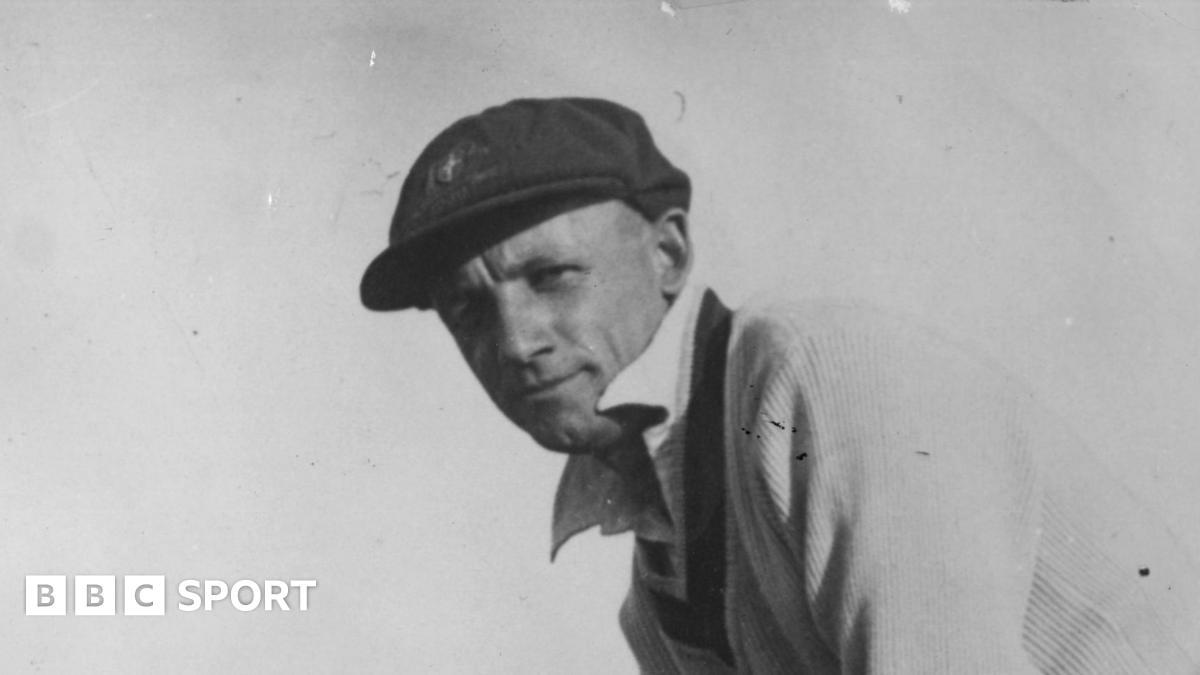
A piece of cricket history has changed hands after more than seven decades of secrecy. The baggy green cap worn by the legendary Sir Donald Bradman during India's maiden Test series as an independent nation has been sold for AU$460,000 (approximately US$320,000) to an anonymous buyer at a Gold Coast auction.
The Story Behind the Historic Cap
This particular baggy green holds immense significance in the annals of cricket history. Bradman wore this cap during Australia's 1947-48 home series against India—his final home series and India's first tour as an independent nation following their independence in August 1947.
What makes this auction extraordinary is the cap's remarkable provenance. After the series, Bradman gifted the cap to Ranga Sohoni, India's opening bowler who had the distinction of bowling the first ball of the match—and thus the first ball of India's post-colonial Test cricket era.
A Family Treasure Guarded for Generations
The Sohoni family maintained the cap as a closely guarded treasure for 75 years, never exhibiting it publicly until this auction. Lee Hames, Chief Operating Officer of Lloyds Auctions in Queensland, described the extraordinary measures taken to protect the artefact.
"It has been hidden for 75 years, that's over three generations under lock and key. If you were a family member you were only allowed to look at it when you were 16 years old for five minutes."
Hames described the cap as a "holy grail of cricket," underscoring its unparalleled historical significance.
Details and Authenticity
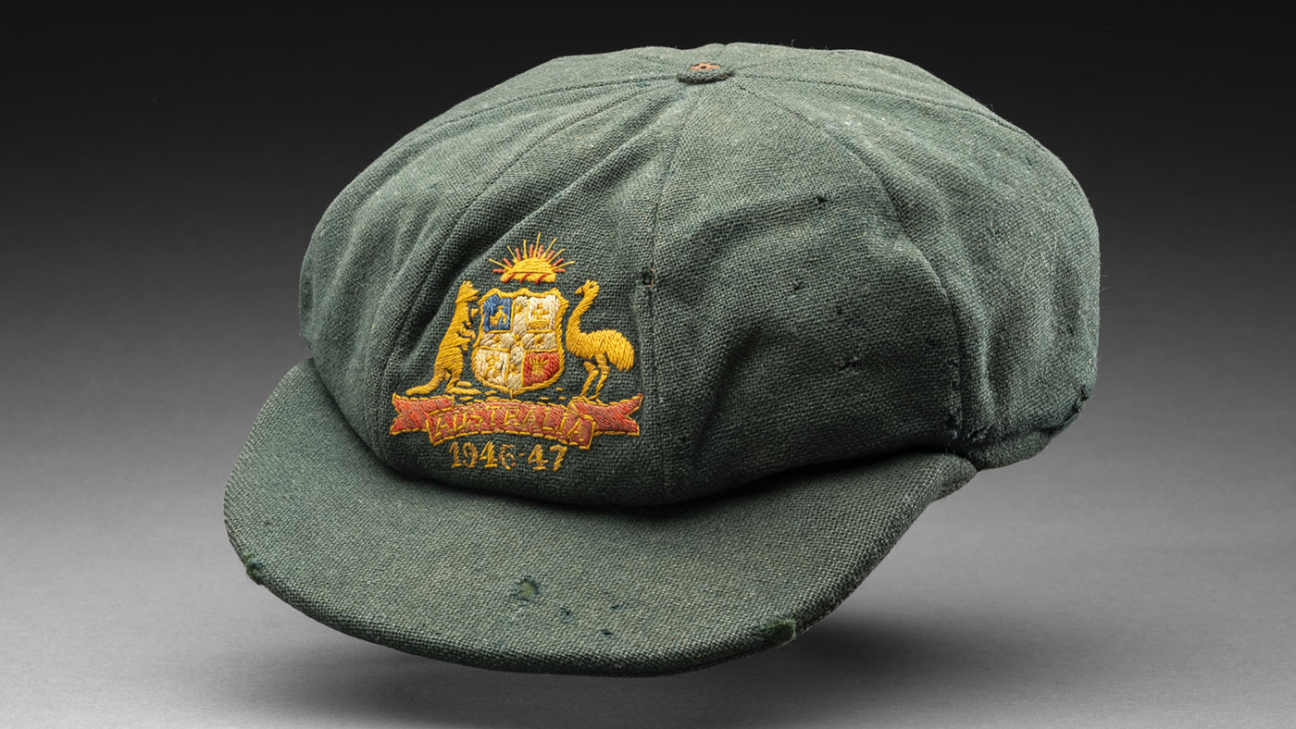
The cap's authenticity is confirmed by inscriptions on the inside, bearing the names "D.G. Bradman" and "S.W. Sohoni." The year "1947-48" is embroidered beneath the Australia crest, further cementing its provenance.
This baggy green is one of only 11 known Bradman caps in existence, from an era when Australian cricketers received different caps for each series—a practice that has since been discontinued.
The 1947-48 India Tour: Historical Context
While Ranga Sohoni only played the first Test of the series and did not take a wicket in Australia's innings victory, his place in history was secured by bowling the first delivery of the match. India went on to lose the series 4-0, but the tour represented a watershed moment for the newly independent nation's sporting identity.
Bradman Baggy Greens: A Collector's Market
The AU$460,000 sale price reflects the enduring value of Bradman memorabilia in the collector's market. For comparison:
- Bradman's debut cap (1928): Sold for AU$450,000 in 2020
- Shane Warne's baggy green: Holds the record at AU$1,007,500, sold in 2020 for the Australian Red Cross bushfire appeal
The slight premium paid for this 1947-48 cap over Bradman's debut cap may reflect its unique dual significance—representing both Bradman's legendary career and India's emergence as an independent cricketing nation.
Looking Ahead: The Value of Cricket Heritage
As cricket memorabilia continues to attract significant investment, items connected to legendary figures like Bradman remain highly sought after. The anonymous buyer has acquired not just a cap, but a tangible connection to two pivotal moments in cricket history: the twilight of Bradman's incomparable career and the dawn of India's journey as an independent cricketing nation.
With only 11 Bradman baggy greens known to exist, each authenticated piece represents an increasingly rare opportunity for collectors to own a fragment of the sport's golden age.