.svg)
Key Takeaways
- 1🏏 ICC has officially replaced Bangladesh with Scotland at the 2026 T20 World Cup after BCB refused to travel to India
- 2⚖️ BCB plans to challenge the decision at the ICC's Dispute Resolution Committee, though success is uncertain given ICC Board's majority vote
- 3🔒 ICC dismissed Bangladesh's security concerns as invalid, stating the Mustafizur-IPL issue has no bearing on tournament security
- 4🏴 Scotland will now play Group C matches in Kolkata and Mumbai, gaining unprecedented World Cup exposure
- 5📅 The tournament begins February 7, leaving minimal time for any resolution or schedule changes
- 6🌍 This decision sets a precedent for how ICC will handle similar disputes in future global events
"Decision comes after Bangladesh refused to change its stance following ICC board meeting"
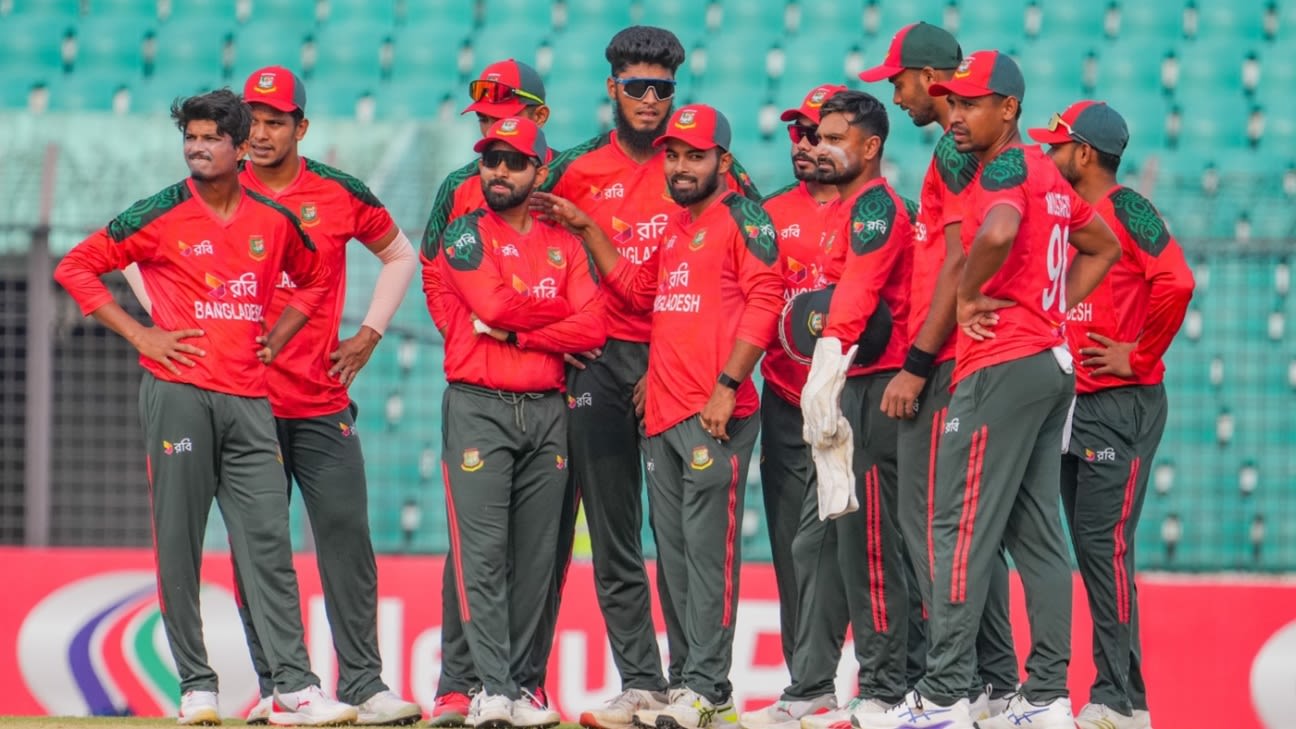
ICC Makes Historic Decision: Scotland Replaces Bangladesh at 2026 T20 World Cup After BCB Refuses to Play in India
In an unprecedented move that has sent shockwaves through the cricketing world, the International Cricket Council (ICC) has officially replaced Bangladesh with Scotland at the 2026 T20 World Cup. This landmark decision comes after nearly three weeks of intense negotiations failed to resolve the standoff between the ICC and the Bangladesh Cricket Board (BCB) over security concerns regarding matches scheduled in India.
The Breakdown of Negotiations
The ICC communicated its final decision to the BCB via email on Friday evening, marking the end of weeks of diplomatic efforts to find a resolution. The decision was triggered after the BCB informed the ICC that the Bangladesh government had not granted permission for the national team to travel to India for the tournament, which is set to begin on February 7.
In a dramatic turn of events, the BCB has indicated its intention to challenge this decision by taking the matter to the ICC's Dispute Resolution Committee (DRC). However, the viability of this appeal remains uncertain, given that the ICC Board voted by a clear majority for the replacement during an emergency meeting held via video conference on Wednesday.
ICC's Firm Stance on Tournament Integrity
The ICC Board's position has been unequivocal throughout these negotiations. In their official statement following the emergency meeting, the governing body emphasized that altering the tournament schedule "so close" to the start date would not be "feasible."
More significantly, the ICC expressed concerns about the precedent such a change could set. The board stated that modifying the schedule "in the absence of any credible security threat" for teams in India could "jeopardise the sanctity of future ICC events and undermine its neutrality as a global governing body."
Scotland's Unexpected Opportunity
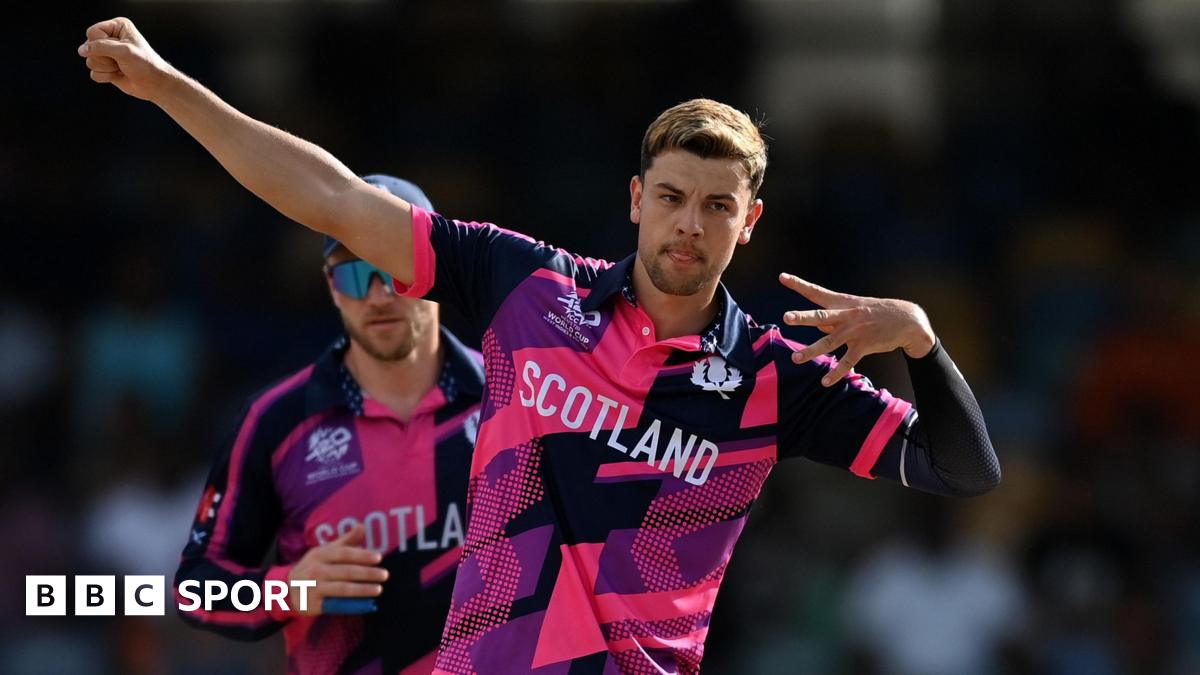
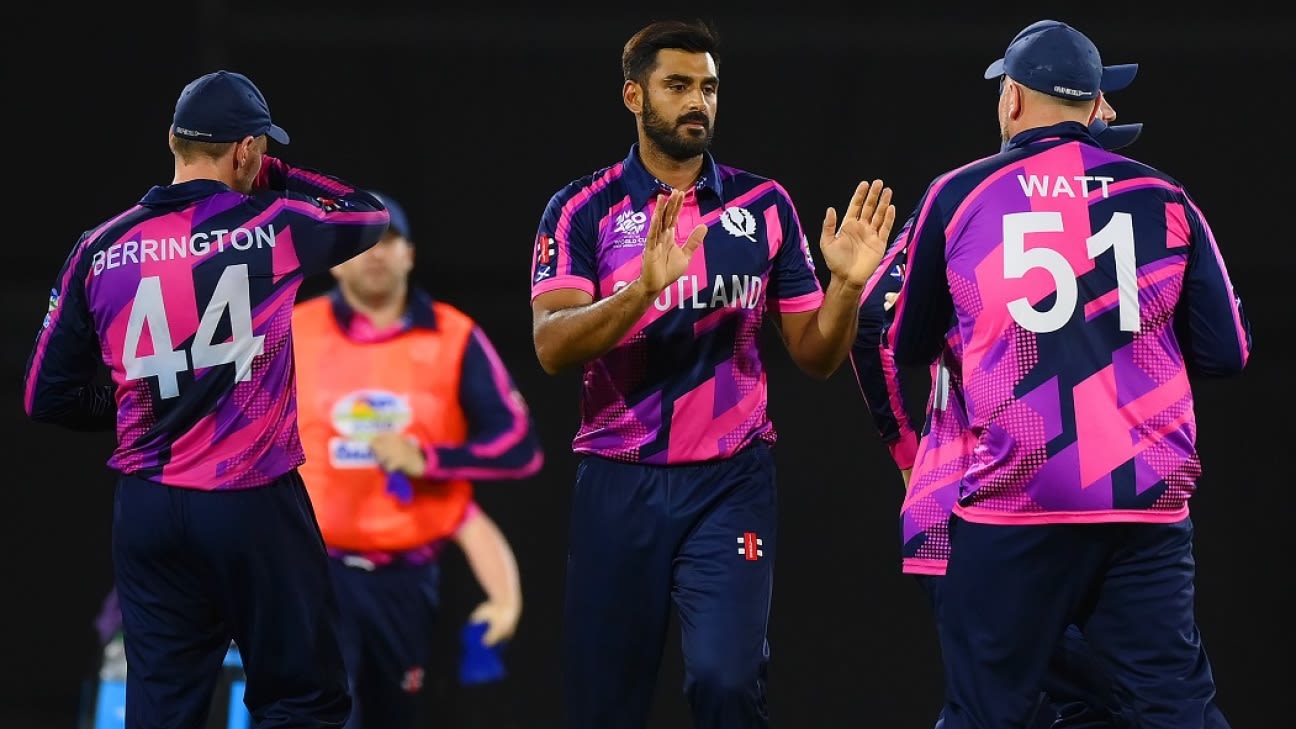
Scotland now finds themselves thrust into the spotlight, taking Bangladesh's place in Group C of the tournament. The Scottish team will play their first three matches in Kolkata and their fourth match in Mumbai – the exact schedule originally assigned to Bangladesh.
This represents a remarkable opportunity for Scottish cricket to compete against some of the world's best teams on cricket's biggest stage. The team will need to prepare rapidly for what promises to be an intense campaign.
The Root of the Conflict
The security concerns cited by Bangladesh trace back to January 3, when the Board of Control for Cricket in India (BCCI) instructed Kolkata Knight Riders to release Bangladeshi pacer Mustafizur Rahman from their IPL 2026 squad. While no official reason was provided for this directive, it occurred against a backdrop of deteriorating diplomatic relations between India and Bangladesh.
Just one day later, on January 4, the BCB formally communicated to the ICC – after consulting with the Bangladesh government – that the national team would not travel to India for its T20 World Cup matches due to security concerns.
ICC Dismisses BCB's Security Rationale
The ICC has firmly rejected the Mustafizur issue as a legitimate security concern. In pointed criticism of the BCB's position, the governing body stated that Bangladesh was "repeatedly linking its participation in the tournament to a single, isolated and unrelated development concerning one of its player's involvement in a domestic league."
The ICC further emphasized that this linkage has "no bearing on the tournament's security framework or the conditions governing participation in the ICC Men's T20 World Cup."
BCB's Accusations of Double Standards
BCB President Aminul Islam has been vocal in his criticism of the ICC's handling of the situation. He accused the governing body of applying double standards, drawing comparisons to how the ICC dealt with the BCCI's refusal to travel to Pakistan for the 2025 Champions Trophy.
The BCB was given until Thursday to confer with the Bangladesh government and make a final decision on whether they would travel to India. However, both the government and the cricket board reiterated their refusal to travel, sealing Bangladesh's fate in the tournament.
The DRC Challenge: An Uncertain Path
While the BCB has expressed its desire to take the matter to the Dispute Resolution Committee, the path forward is murky. According to Clause 1.3 of the DRC regulations, the committee "shall not operate as an appeal body against decisions of the ICC or any decision-making body established under the ICC's Memorandum and Articles of Association."
Instead, the DRC operates as "the sole forum and procedure for challenges to the lawfulness of such decisions, with the Committee exercising a supervisory jurisdiction." This distinction may significantly limit the BCB's options for recourse.
Looking Ahead: Implications for World Cricket
This decision marks one of the most significant administrative interventions in World Cup history. The ramifications extend far beyond this single tournament:
For Bangladesh Cricket
The exclusion from a major ICC event represents a significant setback for Bangladesh cricket, both in terms of competitive exposure and potential revenue loss. The team will miss valuable experience against top-tier opponents.
For Scotland Cricket
Scotland's inclusion offers the associate nation an unprecedented platform to showcase their talent. Success in this tournament could accelerate the growth of cricket in Scotland and inspire the next generation of players.
For Future ICC Events
The ICC has sent a clear message that it will prioritize tournament integrity and will not accommodate last-minute schedule changes without credible security justifications. This precedent will likely influence how similar situations are handled in the future.
For India-Bangladesh Relations
The cricketing dispute reflects broader diplomatic tensions between the two nations. How these relations evolve will be closely watched by the cricketing community.
As the 2026 T20 World Cup approaches, all eyes will be on how Scotland adapts to their new role and whether the BCB's DRC challenge gains any traction. One thing is certain: this controversy has added an unprecedented layer of drama to what promises to be a captivating tournament.
Related Stories