.svg)

Key Takeaways
- 1🏏 Scotland replaces Bangladesh in Group C of T20 World Cup 2026 after BCB refused to play matches in India
- 2🔒 ICC concluded there was no credible or verifiable security threat to Bangladesh in India after extensive assessments
- 3📊 Scotland is ranked 14th in T20I rankings, higher than several teams already in the tournament
- 4⏰ BCB was given a 24-hour deadline to confirm participation but failed to respond
- 5🌍 Scotland joins Group C alongside England, West Indies, Nepal, and Italy
- 6📅 The T20 World Cup 2026 commences on February 7 in India and Sri Lanka
"Decision made with Scotland to come into ICC Men's T20 World Cup 2026."
Scotland Called Up to Replace Bangladesh at ICC Men's T20 World Cup 2026
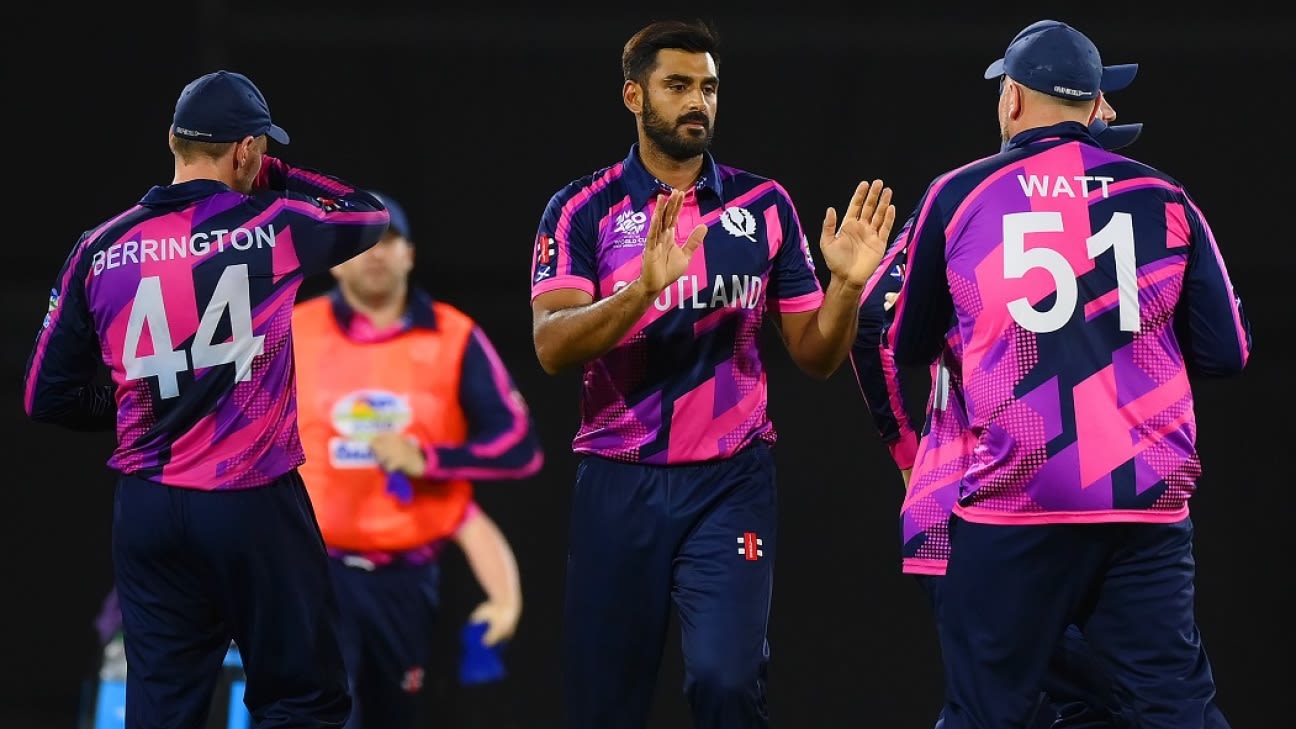
In a dramatic turn of events just weeks before the ICC Men's T20 World Cup 2026, Scotland has been named as the replacement for Bangladesh, marking one of the most significant last-minute changes in cricket World Cup history.
The Decision: What Happened?
The International Cricket Council (ICC) formally announced on Saturday that Bangladesh will no longer compete in the upcoming T20 World Cup after the Bangladesh Cricket Board (BCB) refused to participate according to the published match schedule.
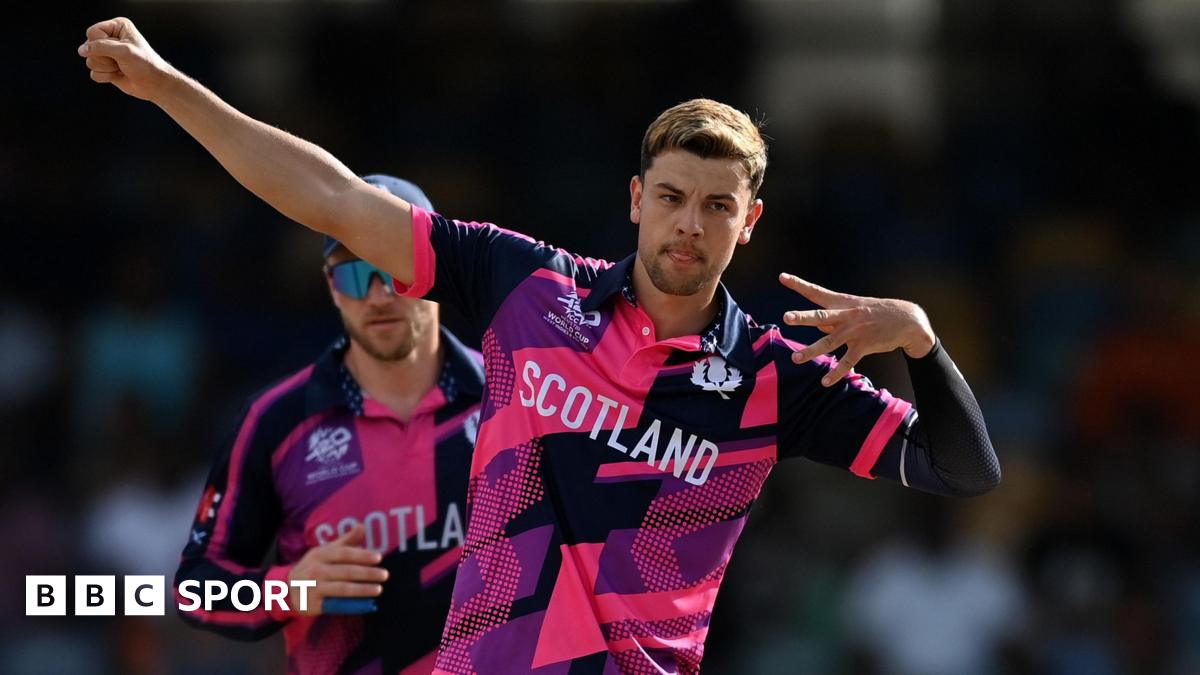
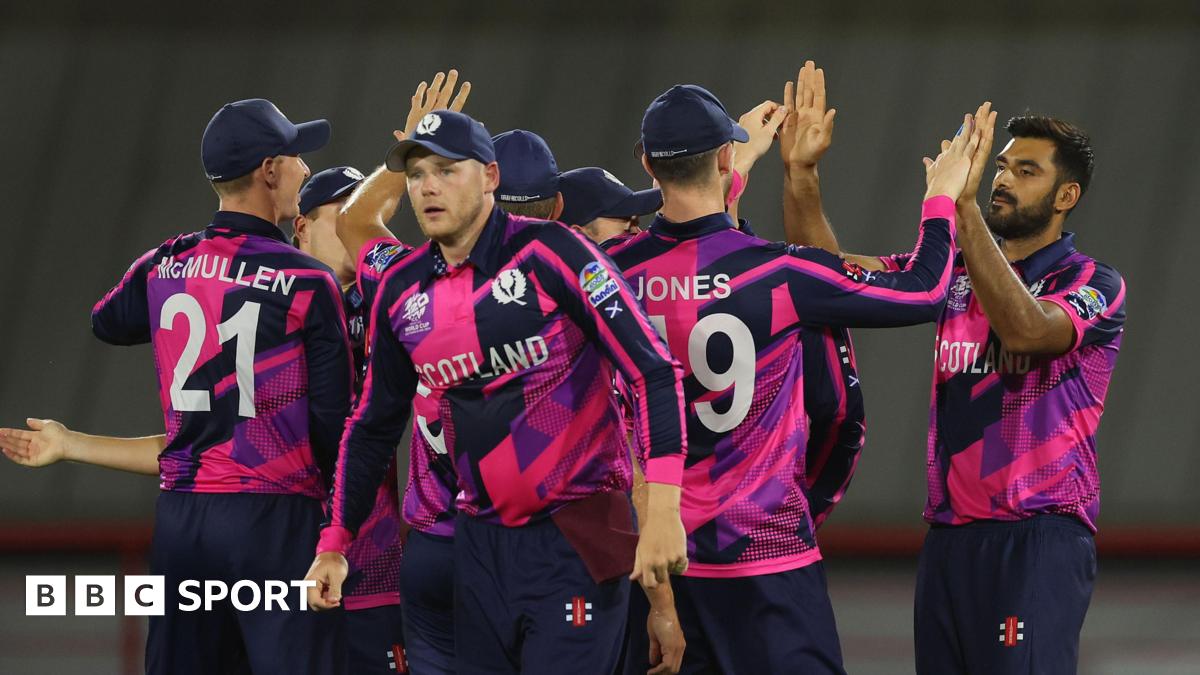
Scotland, currently ranked 14th in the ICC T20I rankings, has been elevated to take Bangladesh's place in Group C. The Scots will now face formidable opposition including England, the West Indies, Nepal, and Italy in what promises to be an exciting group stage.
The Background: BCB's Request and ICC's Response
The controversy stemmed from BCB's request to move their scheduled matches from India to Sri Lanka, citing security concerns. However, the ICC rejected this request after conducting comprehensive security assessments.
Key Findings from ICC's Investigation
- Independent security assessments were conducted by both internal and external experts
- Detailed security and operational plans covering federal and state arrangements were reviewed
- Enhanced and escalating security protocols for the event were established
- The ICC concluded there was "no credible or verifiable security threat" to the Bangladesh national team, officials, or supporters in India
The Negotiation Process
The ICC engaged in an extensive dialogue with the BCB over a period of more than three weeks. This process included:
- Multiple rounds of transparent and constructive discussions
- Meetings conducted via video conference and in-person
- Detailed sharing of security and operational plans
- Discussions involving the ICC Business Corporation (IBC) Board
Following a meeting on Wednesday, the BCB was given a 24-hour deadline to confirm their team's participation in India as scheduled. When no confirmation was received within this timeframe, the ICC moved forward with identifying a replacement team.
Why Scotland?
Scotland's selection was based on the ICC's established governance and qualification processes. As the next-highest ranked T20I team that had originally missed T20 World Cup qualification, Scotland was the logical choice.
Notably, Scotland's 14th-place ranking actually positions them ahead of several teams already competing in the tournament, including:
- Namibia
- United Arab Emirates
- Nepal
- USA
- Canada
- Oman
- Italy
Scotland's Group C Challenge
The Scots now face a challenging but exciting group stage lineup:
| Team | Current Form |
|---|---|
| England | Strong contenders |
| West Indies | Caribbean flair |
| Nepal | Rising Asian force |
| Italy | European underdogs |
| Scotland | Late entrants |
What This Means for Scottish Cricket
This unexpected opportunity represents a watershed moment for Scottish cricket. Despite the short preparation time, Scotland now has a chance to showcase their talents on the world's biggest T20 stage.
The tournament commences on February 7, giving Scotland limited time to prepare but unlimited opportunity to make their mark in international cricket.
Looking Ahead
While the circumstances surrounding Bangladesh's withdrawal remain contentious, the focus now shifts to the tournament itself. Scotland will need to quickly adapt their preparations and mental approach to compete against some of the world's best T20 nations.
For Scottish cricket fans, this represents an unexpected but welcome chance to see their team compete at the highest level. The question now is whether Scotland can capitalize on this opportunity and potentially spring some surprises in Group C.
The T20 World Cup 2026, co-hosted by India and Sri Lanka, is set to begin on February 7, and Scotland's inclusion adds an intriguing new dimension to an already compelling tournament narrative.
Related Stories