.svg)
Key Takeaways
- 1🔄 PSL abandons decade-old draft system for auction-based player recruitment in its biggest structural reform ever
- 2📉 Player retentions slashed from eight to four per team, with only one retention allowed per salary category
- 3🏏 New franchises Hyderabad and Sialkot can select four players each from the open pool before the auction begins
- 4💰 Team purses increased to USD 1.6 million, up from USD 1.1 million, giving franchises greater spending power
- 5⚠️ Multan Sultans ownership remains uncertain with technical bids due by 30 January 2026
- 6🔀 Expect the greatest player migration between PSL teams in league history this season
"Retention rules changed as well, keeping in mind the addition of two new teams "
PSL Ditches Draft System for Auction Model: Biggest Reform in League History as Two New Teams Join
The Pakistan Super League (PSL) has unveiled the most significant structural reform in its decade-long history, abandoning the traditional draft system in favor of an auction-based player recruitment model. This sweeping change comes as the league expands to accommodate two new franchises—Hyderabad and Sialkot—marking a new era for Pakistan's premier T20 cricket competition.
Why the Change? Balancing Competition and Transparency
The Pakistan Cricket Board (PCB) confirmed that the overhaul aims to enhance competitive balance, increase transparency, and provide players with greater earning opportunities. After months of deliberation—including consideration of a hybrid "drauction" system—officials determined that a complete transformation was necessary to accommodate the league's expansion.
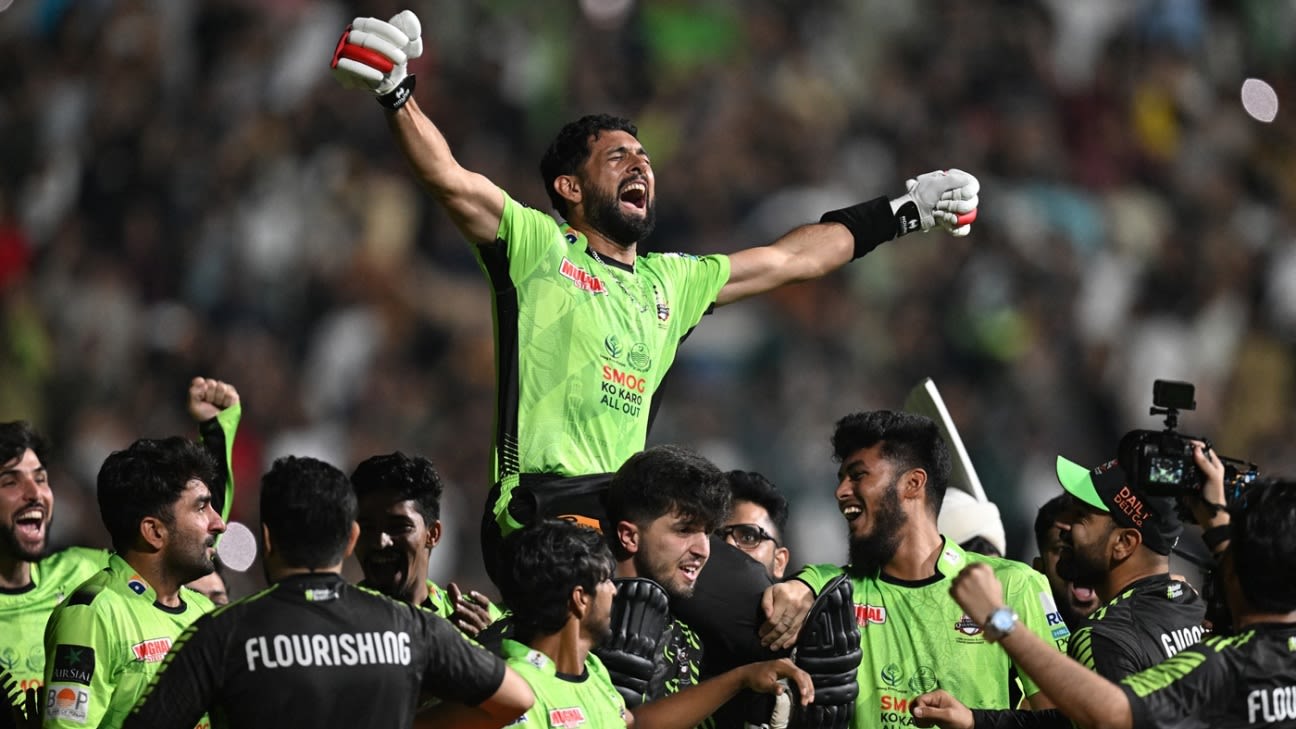
The decision follows contentious discussions at Friday's general council meeting, where existing franchises clashed with incoming teams over player retention policies. The defending champions, Lahore Qalandars, and other established sides sought to retain their star performers, while Hyderabad and Sialkot pushed for access to a higher-quality player pool.
New Retention Rules: A Dramatic Reduction
From Eight to Four Retentions
Perhaps the most impactful change involves player retention. Previously, each of the six franchises could retain up to eight players from their previous squad. Under the new system, this number has been slashed to just four retentions per team.
One Player Per Category Rule
The retention framework introduces a strict category-based limitation:
- Platinum Category: Maximum one retention
- Diamond Category: Maximum one retention
- Gold Category: Maximum one retention
- Silver Category: Maximum one retention
This rule carries significant implications for franchises with multiple star players. For instance, if Lahore Qalandars wish to retain both Shaheen Afridi and Haris Rauf—players who have remained loyal to the franchise throughout their PSL careers—this would only be possible if the two fast bowlers are placed in different categories. Player category placements have not yet been announced.
How Hyderabad and Sialkot Will Build Their Squads
The new franchises will receive a unique advantage before the main auction begins. Players not retained by existing teams will enter an open pool, from which Hyderabad and Sialkot can each select four players. This pre-auction selection process ensures the new sides enter the competition on relatively equal footing with established franchises.
Whether this pre-auction selection will follow a traditional draft format—with teams picking players in alternating turns—remains to be clarified by the PCB.
Direct Signings and Increased Team Budgets
Enhanced Financial Flexibility
Team purses have been significantly increased to USD 1.6 million, up from approximately USD 1.1 million in previous seasons. This expanded budget reflects the growing commercial value of the PSL and provides franchises with greater financial muscle during the auction.
One Direct Signing Permitted
Each franchise will be allowed to sign one player directly, bypassing the auction system entirely. However, this option is restricted to players who did not participate in the previous PSL season, potentially opening doors for international stars or emerging domestic talents.
Multan Sultans Ownership Uncertainty
Adding another layer of intrigue to the upcoming season, the ownership structure of Multan Sultans remains unresolved. Following previous owner Ali Tareen's decision not to renew his lease, the PCB initially announced it would operate the team. However, after Hyderabad and Sialkot's franchise bids vastly exceeded expectations, the board reversed course and decided to put Multan Sultans up for auction.
The deadline for submission of technical bids is 30 January 2026.
What This Means for Players and Fans
Greatest Player Migration in PSL History
With retention numbers cut in half, the upcoming season will witness unprecedented player movement between franchises. Fan-favorite players who have become synonymous with certain teams may find themselves wearing different colors, fundamentally reshaping team identities across the league.
Potential Winners and Losers
Established franchises with deep squads may struggle to retain their core players, while strategically astute teams could capitalize on the auction to build formidable rosters. The new entrants, Hyderabad and Sialkot, enter with both opportunity and challenge—access to quality players but the task of building team chemistry from scratch.
Looking Ahead: A New Chapter for Pakistan Cricket
The PSL's transition to an auction model aligns the league more closely with other major T20 competitions worldwide, including the Indian Premier League. While the auction date remains unconfirmed, the reforms signal the PCB's ambition to elevate the PSL's commercial appeal and competitive intensity.
As the league prepares for its expanded eight-team format, fans can expect a season defined by new rivalries, surprising team compositions, and the drama that only an auction can deliver. The countdown to Pakistan cricket's biggest franchise cricket shakeup has officially begun.